


Invisalign vs. Traditional Braces: Which Is Right for You?
Updated: Apr 3

When it comes to straightening your teeth, modern dentistry offers more than just one solution. Two of the most popular options are Invisalign and traditional braces. Both are designed to correct misaligned teeth and bite issues, helping you achieve a healthier, more confident smile. However, each comes with its own set of benefits, limitations, and care requirements. Whether you’re looking for a discreet solution or a more affordable approach, understanding the differences between Invisalign and traditional braces can help you choose what’s best for your lifestyle and dental needs.
In this guide, we’ll break down how each option works, what you can expect during treatment, and how to decide which is right for you.
What Is Invisalign?

Invisalign is a modern teeth-straightening treatment that uses clear, removable plastic aligners instead of metal brackets. These aligners are custom-made to fit your teeth and gently move them into the right position over time. Every 1–2 weeks, you switch to a new set of aligners that continues the shifting process. Because they are nearly invisible, Invisalign aligners are a great choice for adults and teens who want a more discreet way to straighten their teeth.
Benefits of Invisalign
Aesthetics: The clear design makes the aligners almost invisible, which is perfect for people who don’t want their orthodontic treatment to be noticeable.
Comfort: Made from smooth plastic, Invisalign aligners are gentle on your cheeks and gums. There are no sharp brackets or wires to cause irritation.
Removable: You can take them out during meals or while brushing and flossing. This helps maintain better oral hygiene and lets you eat what you like without worry.
Fewer Dental Visits: Invisalign usually requires fewer in-person checkups and adjustments, making it more convenient for people with busy schedules.
No Food Restrictions: Since you remove the aligners to eat, you can enjoy all your favourite foods without damaging your orthodontic device.
Things to Consider About Invisalign
Discipline Required: Invisalign must be worn for 20–22 hours a day to be effective. Forgetting or choosing not to wear them can delay progress.
Not Suitable for All Cases: It’s best for mild to moderate alignment issues. More severe problems, like significant bite corrections or very crooked teeth, might need braces instead.
Higher Cost: Invisalign can sometimes be more expensive than traditional braces, depending on your case and insurance coverage.
Risk of Misplacement: Because the aligners are removable, they can be lost or accidentally thrown away if not handled carefully.
What Are Traditional Braces?
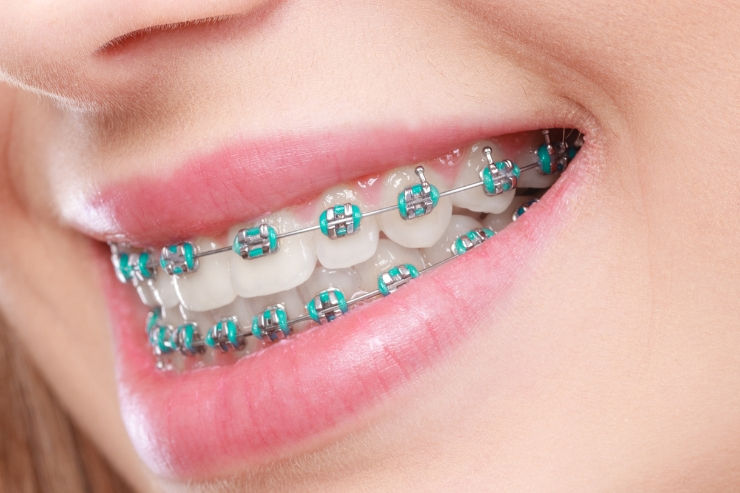
Traditional braces have been around for decades and are still widely used today. They involve attaching metal brackets to your teeth and connecting them with a wire. Over time, the wire is tightened to gradually move your teeth into proper alignment. While they’re more noticeable than Invisalign, traditional braces are very effective, especially for complex dental problems.
Benefits of Traditional Braces
Works for Complex Cases: Traditional braces are suitable for fixing a wide range of issues—from severe crowding to significant bite problems.
No Need to Remove: Because they’re fixed to your teeth, you don’t have to worry about taking them in and out or remembering to wear them.
Reliable Results: Braces provide consistent pressure on the teeth, which can lead to effective and predictable results.
Often More Affordable: In many cases, braces can be more cost-effective than Invisalign, especially for families or patients without extensive dental insurance.
Things to Consider About Traditional Braces
Appearance: The metal brackets and wires are visible, which may make some people, especially adults, feel self-conscious.
Comfort Issues: Brackets and wires can cause irritation or soreness in your cheeks, gums, or tongue, especially after adjustments.
Oral Hygiene Challenges: Brushing and flossing can be harder with braces. Food particles often get stuck in the brackets, which increases the risk of cavities and plaque buildup.
Food Limitations: Sticky, hard, or chewy foods need to be avoided during treatment to prevent damaging the braces.
Which is Right for You Invisalign vs. Traditional Braces?
Choosing between Invisalign and traditional braces depends on a few key factors:
Appearance: If you're concerned about how you’ll look during treatment, Invisalign is likely the better option.
Comfort: For a softer, less painful experience, Invisalign offers more comfort due to the lack of metal.
Complexity of Case: Traditional braces may be the only solution for serious alignment or bite problems.
Discipline and Lifestyle: If you can commit to wearing aligners consistently, Invisalign can work well. Otherwise, braces are a better "hands-off" option.
Budget: Braces are generally more affordable, but check with your orthodontist and insurance provider to compare actual costs.
Ultimately, the best way to decide is to consult with your dentist or orthodontist, who can assess your needs and recommend the most effective treatment.
Complete Your Smile with White and Bright
Once your teeth are straightened, the next step is making them shine! Orthodontic treatments—whether braces or Invisalign—can sometimes leave behind stains or discoloration.
We offer safe, effective professional teeth whitening that enhances the look of your newly straightened smile. Our advanced treatments are gentle on enamel and powerful against stains, leaving your teeth looking their brightest and healthiest. Whether you’re preparing for a special occasion or just want to boost your confidence, our whitening services are the perfect final step in your smile journey.
