


Why Your Teeth Change Colour As You Age
Updated: Feb 10
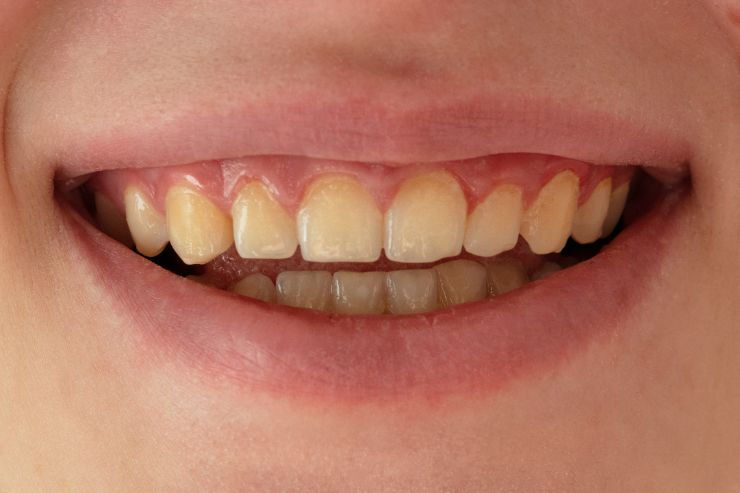
Have you noticed that your smile does not look as bright as it used to? It is something a lot of people see as they get older, and it can be surprising to realise that teeth naturally change colour over time. While this is normal, it can make you feel a bit self-conscious about your smile.
There are some factors that cause teeth to lose their brightness. Everyday habits, certain foods and drinks, and minor dental issues can slowly affect your teeth. Even if you take good care of your teeth, you may still notice gradual yellowing of your teeth, which can make your smile appear less vibrant.
In this blog, you will get a complete understanding of how teeth change colour with time, what causes these changes, and simple ways to keep your smile healthy and bright. From natural ageing and daily habits to lifestyle choices and oral care, we cover everything you need to know in a clear and easy-to-follow way. By learning the reasons behind yellowing teeth, you can take simple steps to help your teeth stay healthy and maintain their brightness.
Understanding How Teeth Change Colour Over Time

There are some very common reasons why teeth change colour as time passes. Understanding how your teeth change colour helps you notice early signs and make better choices to keep your smile healthy.
1. Natural Ageing And Tooth Discolouration
As people get older, their teeth naturally go through changes on the inside. Over time, enamel slowly wears down from daily use, and the dentin underneath becomes darker. When this happens, teeth can look dull or less bright. This type of change is common with ageing teeth and happens even if you brush and floss regularly. It is a normal part of life and does not always mean there is a dental problem.
Tooth discolouration linked to ageing can also be affected by how teeth respond to years of pressure from chewing and general wear. Teeth continue to harden and adjust as you grow older, which can slightly change how light passes through them. These natural changes build up slowly, which is why many people only notice the difference after several years.
2. Lifestyle Habits Affecting Tooth Colour
Daily habits play a big role in changes to tooth colour. Drinks like coffee, tea, and red wine, along with berries and dark sauces, can leave stains on the surface of teeth over time. Smoking is another common cause, as it allows stains to build up and settle into the enamel. Even foods you eat every day can slowly affect how bright your teeth look, especially when they are consumed often.
Teeth staining can also increase when enamel becomes weaker from repeated exposure to acids found in soft drinks and citrus foods. When enamel softens, stains can stick more easily and stay longer. Small habits, like sipping staining drinks throughout the day, can add up over the years and make teeth appear darker without you noticing right away.
3. Dental Health Issues
Problems linked to dental health can slowly change how teeth look. When plaque is not fully removed, it can harden into tartar, which often makes teeth look dull and darker. Over time, this buildup can affect the surface of the enamel and lead to visible tooth discolouration. Tooth erosion caused by acids or minor damage can also wear down enamel, allowing the darker dentin underneath to show through.
In some cases, teeth may change shade after cavities, dental injuries, or past dental treatments. A damaged tooth can darken from the inside as it reacts to internal changes. Older fillings and treated teeth may also lose brightness over time. While dental teeth whitening can improve appearance, it is helpful to understand how these dental issues first affect tooth colour.
4. Medications And Health Factors
Some medications can slowly affect tooth colour, especially when they change how enamel forms or how saliva works in the mouth. Certain antibiotics taken early in life can lead to long-lasting colour changes, while antihistamines and similar medicines may reduce saliva. When the mouth feels dry, stains can build up faster because there is less natural washing taking place.
Health conditions can also play a role in uneven or darker-looking teeth. Illnesses that affect the body during tooth development may leave lasting marks, while dental trauma can cause a tooth to darken from the inside years later. In some cases, the colour difference becomes noticeable over time, even when daily care stays the same, making these changes feel unexpected but fairly common.
How Quickly Do Teeth Change Colour?

The speed of colour change in teeth is different for everyone and depends on genetics, diet, and daily oral care habits. Some people may notice staining within weeks if they drink a lot of coffee, tea, or smoke often, while others see slower changes. Sudden events like dental injuries can also cause faster shifts. Over time, small changes add up, shaping your personal tooth discolouration timeline in ways that may not feel obvious at first.
For many people, tooth colour changes happen slowly as part of ageing teeth, with a gradual yellow tone appearing over the years. In contrast, heavy coffee drinking or smoking can cause visible changes within a few months. Understanding how quickly your own teeth react helps you notice early shifts and make better choices sooner, rather than being surprised later by deeper, harder-to-reverse colour changes.
Signs Your Teeth Are Discolouring

There are some early changes you may notice when your teeth start changing colour. These signs often appear slowly, and spotting them early can help you understand what is happening.
Dull shine: Teeth may start to look flat and lose their natural brightness. Instead of looking smooth and glossy, they appear cloudy or faded, which is often one of the first signs of tooth discolouration.
Visible spots: Yellow or brown spots can begin forming on the surface of teeth. These marks may start small but become more noticeable over time, making yellow teeth easier to spot in daily light.
Uneven colour: Teeth may not change evenly, with darker shades appearing near the gums or along enamel edges. This uneven colouring often becomes obvious when smiling or looking closely in the mirror.
Single tooth change: One tooth may turn darker than the others while the rest remain the same shade. This uneven change usually stands out clearly and does not blend in naturally with nearby teeth.
Sensitivity changes: Teeth may become more sensitive to hot, cold, or sweet foods. This often happens when enamel thins, and colour changes and sensitivity tend to appear together.
Ways To Protect And Improve Teeth Colour

Now that you understand why teeth change colour over time, it is important to learn the solutions. Keep reading to discover simple ways that help protect your teeth and improve their colour naturally.
1. Maintain Good Oral Hygiene
Maintaining proper oral hygiene is key to keeping your teeth looking bright and healthy. Brushing twice a day with a soft toothbrush and fluoride toothpaste helps remove plaque before it can harden into tartar, which can make teeth appear yellow. Flossing daily and rinsing after meals also removes food particles and bacteria that contribute to tooth discolouration.
Good oral care does more than clean your teeth; it protects enamel and prevents early signs of decay. Paying attention to the tongue and hard-to-reach spaces between teeth reduces staining and keeps your smile even. Regular home care combined with professional check-ups helps maintain natural whiteness and reduces the chances of long-term tooth discolouration.
2. Avoid Foods And Drinks That Stain Teeth
Limiting foods and drinks that cause teeth staining is one of the easiest ways to keep your smile bright. Reducing coffee, tea, red wine, berries, and dark sauces helps prevent pigments from settling on your enamel. Rinsing your mouth or drinking water immediately after consuming these items can wash away staining particles before they attach.
You can also make small swaps to protect your tooth colour. Choosing lighter alternatives like green tea or white wine, using a straw for cold drinks, and eating hard cheese after meals can help neutralise acids and reduce staining foods. Simple changes in your daily routine go a long way in preventing long-term teeth staining.
3. Professional Teeth Whitening Treatments
Professional teeth whitening treatments are one of the most effective ways to improve tooth colour and restore a bright smile. Unlike over-the-counter products, professional whitening uses stronger, safe whitening agents that can remove deep stains caused by staining foods like coffee, tea, red wine, and berries. These treatments reach stains that brushing alone cannot remove.
Dentists personalise the whitening process to your teeth, making it safer and more effective. They can also check enamel health before starting treatment to reduce sensitivity. Regular professional teeth whitening combined with good oral care protects your smile, slows teeth staining, and maintains a naturally bright, healthy appearance over time.
4. Lifestyle Tips To Keep Teeth Bright
Adopting healthy lifestyle habits is one of the best ways to maintain bright teeth naturally. Eating crunchy fruits and vegetables like apples and carrots helps scrub away surface stains, while calcium-rich foods such as cheese and yoghurt strengthen enamel. Drinking water after meals and using a straw for staining drinks also reduces the risk of yellowing over time.
Quitting smoking and avoiding excessive coffee or tea keeps teeth looking their best. Regular tongue cleaning and replacing toothbrushes every three months help remove bacteria and surface debris. Combined with balanced meals and regular dental check-ups, these simple lifestyle habits protect enamel, prevent new stains, and keep your smile naturally healthy and bright teeth for years to come.
When To See A Professional
If you notice yellowing teeth or stubborn stains that do not improve with regular brushing, flossing, and home care, it is time to consult a teeth whitening professional. Sudden changes in the colour of one tooth, chalky white spots, or rapid darkening should never be ignored. Early assessment helps identify whether the discolouration is caused by surface stains, internal changes, or underlying dental issues that need treatment.
A dentist or whitening studio can provide expert dental care advice tailored to your teeth. They can determine whether your stains are extrinsic or intrinsic, recommend safe and effective whitening methods, and check for cavities or gum problems before any treatment. Regular professional visits also prevent long-term discolouration, keep your natural teeth healthy, and ensure your smile remains bright and even over time.
Final Thoughts: Keeping Your Teeth Healthy And Bright
Teeth naturally change colour as you age, but simple daily habits and professional treatments can help keep your smile bright. Here you have learned how teeth change colour over time, the role of natural ageing and tooth discolouration, and how lifestyle habits like diet, smoking, and oral hygiene affect tooth shade. You also learned about dental health issues and medications, the tooth discolouration timeline, and common signs of tooth discolouration. Finally, practical steps like oral hygiene, avoiding staining foods and drinks, professional whitening, and lifestyle tips can maintain bright teeth.
We make it easy and comfortable to brighten your smile with safe, professional teeth whitening right here in Brisbane. At White & Bright Studio, our friendly team uses advanced LED technology and high‑quality gels to help you achieve noticeable results, often making teeth several shades whiter in just one session. Our approach is pain‑free, affordable, and personalised to suit your goals and comfort. You can visit us in Brisbane City, or reach out any time via email at smile@whiteandbright.com.au or phone on 1800 978 638 to book your visit or ask questions. If you want to brighten your smile safely and quickly, White & Bright Studio can help.


