


How Long Before an Event Should You Get Your Teeth Whitened?
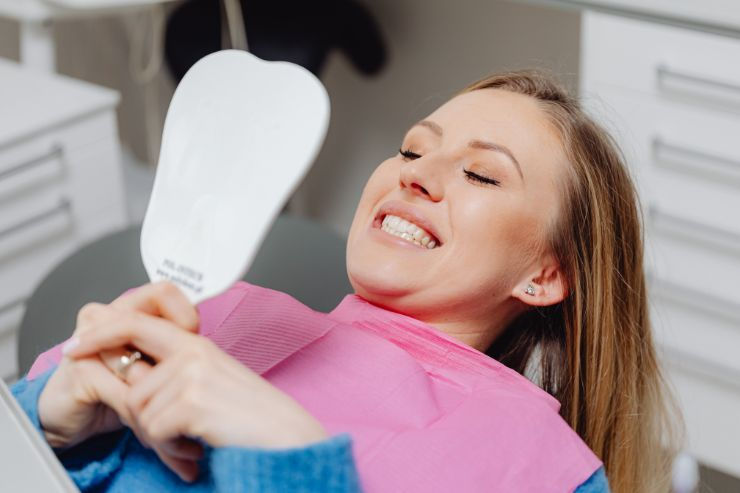
Teeth whitening is one of those things people put off until the last minute. You've booked the venue, sorted the outfit, and then a week out you start thinking about your smile. It happens all the time. The problem is that whitening doesn't work like a haircut. You can't just do it the day before and expect everything to look great.
Timing it wrong is one of the most common mistakes people make. Go too late and you're stuck with sensitivity and an uneven result. Go too early without a follow-up plan and the shade has already started fading. Getting the window right makes everything else easier.
What Actually Happens After a Whitening Session
Your teeth don't reach their final shade the moment you walk out of a session. After whitening, the enamel is still rehydrating. The colour continues to develop over the next day or two. That's normal, and it's part of why rushing the process creates problems.
During this rehydration phase, your teeth are more porous than usual. That makes them easier to stain. Dark food and drinks absorb more readily in those first 48 hours, which is why the white diet exists. Giving yourself a proper buffer after treatment means you get to see the real result, not a patchy in-between version of it.
The Best Time to Whiten: 2 to 4 Weeks Before
Two to four weeks out is the window that works for most people. It's enough time to finish a professional whitening treatment and let the colour settle properly. If mild sensitivity comes up, it has had time to pass well before the day. And if you want a small top-up closer to the event, you still have room to do that.
This window also takes the pressure off the days right before your event. You're not worrying about what you can eat, whether your teeth look right, or managing any discomfort. The whitening is done, the colour has set, and you can focus on everything else.
If You Have 6 to 8 Weeks
More time is always better. If you're planning well ahead, here's how to use those extra weeks:
Get a clean first. Surface stains, plaque, and tartar block the whitening gel from reaching the enamel evenly. A clean before your whitening session gives you a more consistent result across all teeth.
Do your main whitening session. A 90-minute in-chair session can lift your shade significantly. For people with deeper or older staining from coffee, tea, or smoking, a second session spaced a few weeks apart works well.
Cut back on heavy staining drinks. You don't need a strict white diet for weeks, but reducing coffee and red wine from the start helps your results hold longer.
Plan a refresh closer in. If you whitened six weeks out, a shorter top-up session one to two weeks before the event keeps the shade looking sharp on the day.
Having this kind of lead time means nothing is rushed. You get to the event with a result that's had proper time to develop.
If You Only Have 1 to 2 Weeks
One to two weeks is still a workable window for professional in-chair whitening. You won't have as much room to move, but you can still get a noticeable shift in shade. An in-chair session delivers a bigger result in less time than any at-home product, which matters when the clock is ticking.
After your session, stick to the white diet for 48 hours. Plain foods like chicken, rice, bananas, and yoghurt are fine. Avoid coffee, tea, red wine, dark sauces, and anything with strong pigment. This isn't forever. It's just the two days when your enamel is most likely to pick up colour. After that, you can get back to normal eating and just use a bit of common sense about what you're having in the lead-up to the event.
The Week Before Your Event
The seven days before the event are about protecting what you've already done. A few small habits make a real difference to how the results hold up.
Things that help:
Brush twice a day using a soft-bristle brush
Drink water after coffee, tea, or anything dark
Use a straw for cold drinks or anything with strong colour
Keep up with flossing so the edges of your teeth look clean and defined
Things to avoid:
Coffee, tea, red wine, cola, and dark juices
Soy sauce, tomato paste, curries, and balsamic dressing
Smoking
Whitening strips or any new whitening product you haven't tried before
None of this needs to last forever. It's just the stretch before a day when your smile is going to be noticed.
The Night Before and on the Day
The night before, just do your normal routine. Brush, floss, done. Keep dinner fairly light on colour. Nothing extra is needed. On the day, brush gently in the morning and rinse with water. A quick rinse before photos is worth doing. It clears any film off the surface and helps the teeth catch the light a bit better. That's really about it.
What not to do is try to fit in a whitening session the night before or first thing on the morning. There's no good outcome from that. Sensitivity, uneven colour, and irritated gums are all real possibilities. If you've planned your timing properly, your teeth are already set. Leave them alone.
Why Supermarket Whitening Products Miss the Mark for Events
Chemist strips and whitening gels are fine for casual use over a long stretch of time. For an event with a fixed date where you want a predictable result, they're not reliable enough. The active ingredient in over-the-counter products is kept at a low concentration. Results come slowly, vary from person to person, and are hard to plan around a specific day.
Professional in-chair whitening takes those variables away. You go in, you have one session, and you leave with a clear sense of the shift that's happened. The gel is stronger, applied evenly, and activated with LED light. At White and Bright, a session runs 60 to 90 minutes and can lift shade by several levels in one visit.
A Few Special Cases Worth Knowing
Most people can follow the standard two to four week plan without issue. A couple of situations need a little extra thought before booking.
If you have fillings, crowns, or veneers on your front teeth, those won't lighten during whitening. The natural enamel around them will change, but existing dental work stays at whatever shade it already is. If you're planning to replace any visible dental work, do that after whitening. The new restoration gets colour-matched to your freshly whitened teeth, which gives a much more natural look overall.
If tooth sensitivity has been a problem for you in the past, start using a sensitivity toothpaste about two weeks before your session. Using it daily in the lead-up reduces the chance of any discomfort during or after treatment. Most people find the process completely comfortable, but if sensitivity is something you've dealt with before, that small prep step is worth it.
A Quick Timeline at a Glance
6 to 8 weeks out: Clean first, complete one or two whitening sessions, plan a top-up if needed
2 to 4 weeks out: Ideal window for a single session with full settling time before the event
1 to 2 weeks out: Workable with in-chair whitening and 48 hours on the white diet straight after
Less than a week: A clean and polish is the safer option; whitening at this point is hard to plan around
Night before or on the day: Skip it. Your teeth are ready. Nothing more needs to be done.
Planning Ahead Takes the Stress Out of It
Most people who wish they'd done something differently say the same thing: they left it too late. Once you know the window, it's not complicated. Pick a date two to four weeks out, book the session, follow the 48-hour aftercare, and you're done.
Weddings, school formals, job interviews, graduations, reunions, any day where your smile is going to be front and centre is worth planning for. Two weeks of lead time is all it takes. Have an event coming up? Book your whitening session at White and Bright and give your smile enough time to look its best on the day.


